OTWorld is a stage for real life changes
Between everyday usability and extreme sports – 3D printing in orthopaedic technology opens up new avenues for individual orthotic care. The story of Stephan Scherzer is a prime example of what OTWorld will be showcasing in Leipzig from 19 to 22 May 2026: individualised orthopaedic treatment and care opens up new possibilities for people and improves their quality of life.
Stephan Scherzer (61) has lived with complete foot drop since the age of 12. A kick during football training injured the fibular head, irreparably severing the peroneal nerve. In 1976, he received a Heidelberg brace – accompanied by the prognosis: ‘You can forget about sport.’
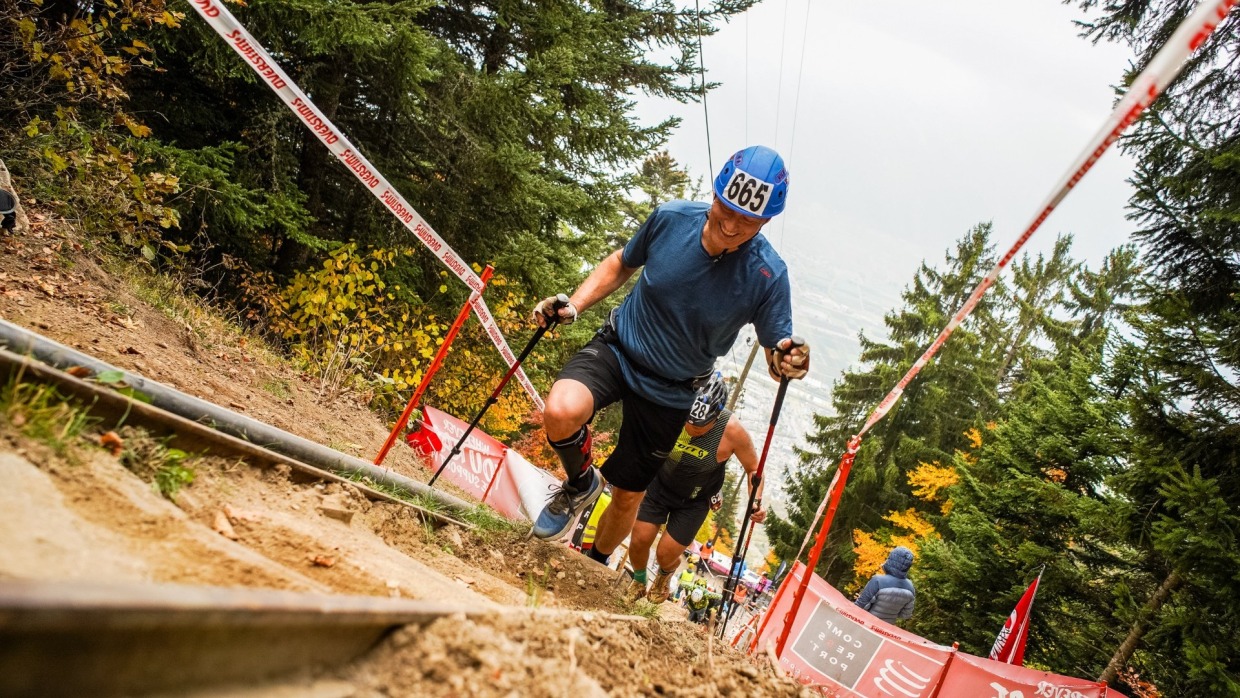
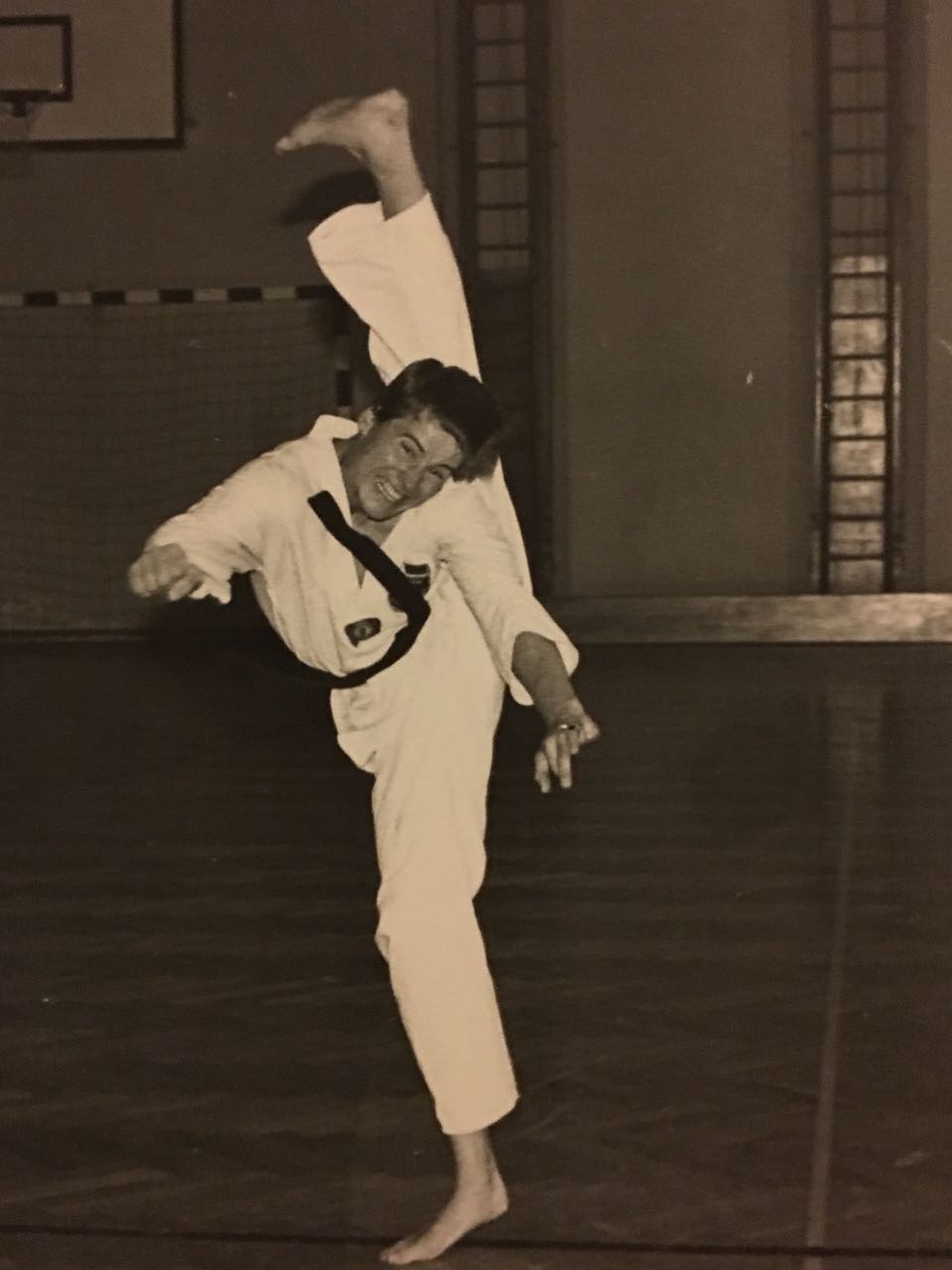
But Stephan Scherzer went his own way. He started taekwondo, stopped using the Heidelberg angle brace a year after the operation and compensated for the peroneal nerve palsy through sport, muscle building and adapted movements. He achieved his 3rd black belt, competed in European Championships and went mountain climbing, rock climbing, skiing and on extreme tours – from the Watzmann East Face to Himalayan expeditions, even the ‘Escape from Alcatraz’ in San Francisco Bay.
An orthosis for everyday life and extreme situations
In his mid-50s, he reached a limit: severe hip pain, grade IV osteoarthritis on the right, grade III on the left, and a fine crack in the bone. It was clear to him that he had to take action – and he wondered whether ‘there is now more than just the Heidelberg angle’.
Together with orthopaedic technology specialists from Berlin and Rosenheim, the idea of an individual polymer orthosis from a 3D printer was born. Standardised foot lift orthoses did not meet the special requirements: prominent bone, pressure points, high load capacity for demanding tours.
An intensive development process began with 3D scanning, plaster casts and several prototypes. Over a period of months, material thicknesses were tested, pressure points analysed and adjustments made. The goal was to create an orthosis ‘that had never existed before’.
Joint learning process – a new attitude to life
After about a year, the result was found: a highly resilient, elastic polymer orthosis weighing just over 130 grams. It runs from the thin sole of the foot over the shin to the knee, is fastened with Velcro fasteners and is so dynamic that the muscle on the shin is reactivated.
For Stephan Scherzer, this meant not only technical innovation, but also a new beginning in his personal life. ‘I can walk without pain – the artificial hip is a distant memory.’ His biggest concern when mountain climbing – having to lift his knee extra high to avoid stumbling – is now a thing of the past. The optimised orthosis enables him to go on challenging mountain tours and walk comfortably in everyday life.
In 2025, he competed in the Kilometre Vertical de Fully in Switzerland, and in May 2026, he will compete in the Transvulcania Vertical Kilometer on La Palma. His story shows how the interplay of first-class skilled trades and modern technology enriches the orthopaedic treatment and care – and why OTWorld is a stage for real life changes.