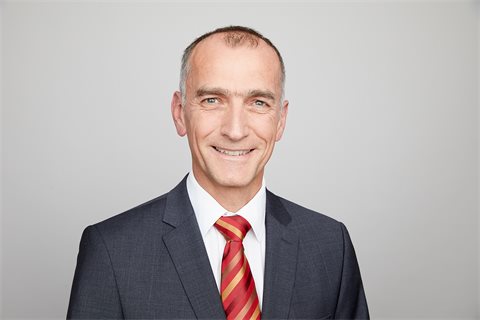
Dr. med. Stefan Simmel
Program Items
Rehabilitation can follow many paths. After an amputation, people must learn to live not only with the physical limitation but also with a new self-image. You will learn how peers with similar experiences, as well as new technologies, can support them in this process.
You observe how modern sports prostheses open up a wide range of opportunities for movement and inclusion – from recreational running to Paralympic sprinting. The studies presented demonstrate how biomechanical analysis, precise adjustments and motivating training work together. You gain insight into how technology and practical application are combined to ensure that patients can participate safely and effectively in sporting activities.
The emergency response chain and acute treatment of severely injured patients are ensured in peacetime through the establishment of the DGU trauma network and the three-tiered DGUV system for managing work-related and commuting accidents. However, could the rehabilitation of military and civilian victims be provided in the event of war if there is already a ‘rehabilitation gap’ in the treatment of seriously injured persons in peacetime? Using Ukraine as a case study, you will learn what efforts are essential to ensure a seamless, phase-specific, and cross-sector rehabilitation process that preserves both military readiness and societal resilience.
In the ePoster exhibition, you will discover a wide range of ideas from research and practice that invite you to gain new perspectives. You can explore and delve deeper into the content at your own pace – the digital exhibition is permanently accessible throughout the entire event. Short lectures allow you to understand the background, thought processes and practical consequences directly. You will take away a variety of approaches that will inspire you to look at challenges in a new light and enrich your everyday work.
Orthoses and exoskeletons, in combination with physiotherapy and occupational therapy, can help people return to work after overuse or an accident. You will learn how technology, training and motivation interact to promote the independence and participation of those affected.